Sunday, July 5, 2026

வைக்கம் முகமது பசீர்


மலையாள இலக்கியத்தின் 'சுல்தான்' என்று அழைக்கப்படும் எழுத்தாளர் வைக்கம் முகமது பஷீரின் வாழ்க்கையும் எழுத்தும் கற்பனையை விடவும் விசித்திரமானவை.

காந்தியடிகளால் ஈர்க்கப்பட்டு பள்ளிப் பருவத்திலேயே வீட்டை விட்டு ஓடிய அவர், உப்புச் சத்தியாகிரகத்தில் பங்கேற்று மிகக் கொடுமையான சிறைத்தண்டனையை அனுபவித்தார்.

இந்தச் சிறைவாசத்தின் போது கைதிகளுக்கு இடையே நடந்த மனிதநேயமிக்க சம்பவங்களும், அவர் சந்தித்த மனிதர்களுமே பின்னாளில் அவரது புகழ்பெற்ற 'மதிலுகள்' (சுவர்கள்) நாவலாக உருப்பெற்றன.

சிறையிலிருந்து விடுபட்ட பிறகு, சுமார் பத்து ஆண்டுகள் இந்தியா முழுவதும், ஆப்பிரிக்கா மற்றும் அரேபிய நாடுகளிலும் ஒரு நாடோடியாக அலைந்து திரிந்தார்.

பசியையும் வறுமையையும் போக்க சன்னியாசி, சூஃபி துறவி, சமையல்காரர், மேஜிக் நிபுணர், ஜோதிடர் எனப் பல அவதாரங்களை எடுத்தார்.

இந்த உலகளாவிய அலைச்சலும், அடித்தட்டு மனிதர்களுடனான தொடர்பும் அவரது கதைகளுக்கான ஆகச்சிறந்த மூலப்பொருட்களாக மாறின.

பஷீரின் பெரும்பாலான படைப்புகள் அவரது சொந்த வாழ்க்கையின் அப்பட்டமான பதிவுகளாகவே இருந்தன.

குறிப்பாக, அவரது குடும்பத்தினர் மற்றும் அவரது தங்கை வளர்த்த ஒரு பிடிவாதக்கார ஆட்டை மையமாக வைத்து எழுதப்பட்ட 'பாத்தும்மாவின் ஆடு' என்ற குறுநாவல், எந்தவிதக் கற்பனையுமின்றி அவரது வீட்டில் நடந்த உண்மைச் சம்பவங்களின் நகைச்சுவைத் தொகுப்பாகும்.

அன்றைய மலையாள இலக்கிய உலகம் கையாண்ட உயர்தர, சமஸ்கிருதம் கலந்த மொழியை முற்றிலும் உடைத்தெறிந்த பெருமை பஷீரையே சாரும்.

சாமானிய மனிதர்கள், திருடர்கள், பாலியல் தொழிலாளிகள் பேசும் எளிய வட்டார மொழியை தைரியமாக இலக்கியத்திற்குள் கொண்டு வந்தார்.

இலக்கண வரம்புகளை மீறி, உணர்வுகளை வெளிப்படுத்த அவரே உருவாக்கிய புதிய சொற்கள் மலையாள மொழியின் எல்லையை விரிவுபடுத்தின.

எர்ணாகுளம் பேப்பூரில் உள்ள அவரது வீட்டின் முற்றத்தில் இருந்த பெரிய மாமரத்தின் கீழ் அமர்ந்து, பழைய கிராமபோன் இசையைக் கேட்டுக் கொண்டே எழுதுவது பஷீரின் தனித்துவமான வழக்கம்.

உலகின் மிகச்சிறந்த இலக்கியவாதிகள் முதல் உள்ளூர் சாமானியர்கள் வரை அனைவரும் அந்த 'மங்குஸ்தான் பழ மரத்தடிக்கு' வந்துதான் இந்த மாபெரும் படைப்பாளியைச் சந்தித்து உரையாடி மகிழ்ந்தனர்.

அரசியல் எழுத்துக்களுக்காக திருவிதாங்கூர் திவான் சி.பி. ராமசுவாமி அய்யரின் அரசாங்கத்தால் தேடப்படும் குற்றவாளியாக அறிவிக்கப்பட்ட பஷீர், போலீசாரின் கண்ணில் படாமல் இருக்க பல ஆண்டுகள் தலைமறைவாக வாழ்ந்தார்.

தப்பியோடி பம்பாய், கல்கத்தா என இந்தியாவின் பல்வேறு நகரங்களில் அலைந்தபோது, போலிப் பெயர்களில் வாழ்ந்ததோடு மட்டுமல்லாமல், தட்டச்சுப் பள்ளி நடத்துவது முதல் ஸ்போர்ட்ஸ் ஏஜென்சி வரை அத்தக்கூலி வேலைகள் செய்து உயிர் பிழைத்தார்.

இந்தத் தப்பித்தல் வாழ்க்கையே அவரை ஒரு முழுநேரப் பயணியாகவும், மனித மனங்களின் ரகசியங்களை அறிந்தவராகவும் மாற்றியது.

அவரது எழுத்துலகில் மிக முக்கியமான மைல்கல்லான 'பால்யகாலசகி' (பாலியகாலத் தோழி) நாவல், அவரது மிக நெருக்கமான இளமைக்காலத் தோழியான சுஹராவுடனான காதலையும் அதன் சோகமான முடிவையும் விவரிக்கும் சுயசரிதை ஆகும்.

கல்கத்தாவில் ஒரு பாழடைந்த அறையில் வறுமையின் உச்சத்தில் இருந்தபோது பஷீர் எழுதிய இந்த நாவல், மலையாள இலக்கியத்தின் போக்கையே மாற்றியமைத்தது.

உண்மையான வறுமையின் வலியையும் ஏழை மனிதர்களின் கண்ணீரையும் எந்தவித ஒப்பனையுமின்றி வாசகர்களின் இதயங்களுக்குக் கடத்தியது பஷீரின் நேரடி வாழ்க்கை அனுபவம் மட்டுமே.

பஷீர் தனது படைப்புகளில் உருவாக்கிய கதாபாத்திரங்கள் அனைத்தும் கற்பனையானவை அல்ல, மாறாக அவர் சிறையிலும் நாடோடிப் பயணங்களிலும் நேரில் சந்தித்த நிஜ மனிதர்கள். 'சப்தங்கள்' (ஒலிகள்) நாவலில் வரும் போரினால் பாதிக்கப்பட்ட ராணுவ வீரன், 'மதிலுகள்' நாவலில் சுவருக்கு அப்பால் இருந்து பேசும் பெண் கைதி நாராயணி என அனைவரும் நிஜ மனிதர்களின் நிழல்கள்.

இவர்களின் கதைகளை எழுதும்போது பஷீர் தனக்கென எந்த ஒரு தார்மீக நீதிபதியின் முகமூடியையும் மாட்டிக்கொள்ளாமல், அவர்களின் தவறுகளுடனும் பலவீனங்களுடனும் அப்படியே இலக்கியத்தில் உலவவிட்டார்.

அவரது பேப்பூர் இல்லத்தில் இருந்த மங்குஸ்தான் மரம் வெறும் ஓய்வெடுக்கும் இடம் மட்டுமல்ல, அது பஷீரின் சிந்தனைச் தொழிற்சாலையாகவும் விளங்கியது.

உலகின் பல்வேறு பகுதிகளில் இருந்தும் தனக்கு வரும் வாசகர்களின் கடிதங்களுக்கு அந்த மரத்தடியில் அமர்ந்து அவரே சொந்தக் கையால் பதில் எழுதினார். அக்கடிதங்களில் பல, கதைகளை விடவும் சுவாரஸ்யமான தத்துவங்களையும் மனிதநேயத்தையும் கொண்டிருந்தன.

எழுத்து என்பது வாழ்வாதாரத்திற்கான தொழில் என்பதைத் தாண்டி, சக மனிதர்களோடு உரையாடுவதற்கான எளிய ஊடகம் என்பதை பஷீர் தனது இறுதிநாட்கள் வரை நிரூபித்துக் கொண்டே இருந்தார்.

பஷீரின் ஆன்மீகத் தேடலும் சூஃபித்துவ ஈடுபாடும் வெறும் தத்துவப் பேச்சல்ல, அவரது நிஜ வாழ்க்கையின் கடுமையான சோதனைகளில் இருந்து முளைத்தவை.

காசி, கேதார்நாத், திபெத் போன்ற இடங்களுக்குச் சென்று சன்னியாசிகளுடனும் சூஃபி துறவிகளுடனும் பல ஆண்டுகள் வாழ்ந்த அவர், பசியின் கொடுமையையும் தனிமையின் எல்லையையும் உணர்ந்தார்.

இந்தத் தேடலின் உச்சமாக உருவானதே 'அனல்க்' (நான் பிரம்மன் / நான் சத்தியம்) போன்ற படைப்புகள்.

பிரபஞ்சத்தின் பேரொளியை சாமானிய மனிதனும் தன் உள்ளே உணர முடியும் என்ற சூஃபித்துவ சிந்தனையைத் தன் எளிய கதைகளின் வழியே மலையாள வாசகர்களுக்கு அவர் அறிமுகப்படுத்தினார்.

ஒரு காலகட்டத்தில் பஷீர் கடுமையான மனநலப் பாதிப்புக்கு உள்ளாகி, திருச்சூர் மனநல மருத்துவமனையில் அனுமதிக்கப்பட்டார்.

இந்தத் துயரமான மருத்துவமனை வாழ்க்கையும், அங்கு அவர் சந்தித்த சக மனிதர்களின் விசித்திரமான மனநிலைகளுமே 'பாத்துமையுடே ஆடு' நாவலின் முன்னுரையாகவும், 'அனுகிரஹத்தின் ரூபம்' போன்ற கதைகளின் பின்னணியாகவும் அமைந்தன.

பைத்தியக்காரத்தனம் என்று உலகம் ஒதுக்கும் நிலைக்குள் இருக்கும் ஒருவித பேரமைதியையும் மனிதநேயத்தையும் பஷீர் மிக நேர்மையாகவும், சுய எள்ளலுடனும் தனது எழுத்துக்களில் பதிவு செய்தார்.

பஷீர் தனது கதைகளில் மரணத்தையும் இழப்பையும் கையாண்ட விதம் உலக இலக்கியத்தில் தனித்துவமானது.

அவரது தம்பி அபுபக்கரின் மரணத்தை ஒட்டி எழுதிய 'மரணத்தினுடைய நிழலில்' என்ற குறுநாவல், மரண பயத்தையும் வறுமையின் கோரத்தையும் மிக நெருக்கமாக விவரிக்கும் ஒரு ஆவணம்.

தனக்கு நேர்ந்த தனிப்பட்ட சோகங்களைக்கூட, ஒரு சாட்சி போல விலகி நின்று, அதே நேரத்தில் வாசகனின் நெஞ்சை உலுக்கும் வகையில் எழுதும் அசாத்தியக் கலை பஷீருக்கு மட்டுமே கைவந்திருந்தது.

அவரது வாழ்க்கையின் பிற்பகுதியில் எத்தனையோ இலக்கிய விருதுகளும் அரசாங்கப் பாராட்டுகளும் தேடி வந்தபோதும், பஷீர் ஒருபோதும் ஆடம்பரத்தை விரும்பியதில்லை.

'பேப்பூர் சுல்தான்' என்ற அடைமொழி அவருக்கு இருந்தாலும், அவர் ஒரு ஏழை எளிய மனிதராகவே வாழ விரும்பினார்.

பேப்பூர் மங்குஸ்தான் மரத்தடிக்கு வரும் ஏழை எளிய மனிதர்களுக்குத் தன்னிடம் இருக்கும் பணத்தைக் கொடுப்பதையும், பறவைகளுக்கும் அணில்களுக்கும் உணவிடுவதையும் தன் வாழ்நாள் கடமையாகக் கொண்டிருந்தார்.

எழுத்து என்பது அதிகாரத்தைக் கைப்பற்றுவதற்கோ புகழுக்கோ அல்ல, சக உயிர்கள் மீதான எல்லையற்ற கருணையை வெளிப்படுத்துவதற்கே என்பதைத் தன் வாழ்வின் இறுதிப் பகுதி வரை அவர் வாழ்ந்து காட்டினார்.

பஷீரின் படைப்புகளில் விலங்குகளும் பறவைகளும் வெறும் பின்னணிக் கருவிகளாக அல்லாமல், மனிதர்களுக்கு இணையான முதன்மைக் கதாபாத்திரங்களாகவே வாழ்ந்தன.

'பூமியின் அவகாசிகள்' (பூமியின் உரிமையாளர்கள்) என்ற கதையில், தன் தோட்டத்தில் உள்ள பலாப்பழங்களையும் தேங்காய்களையும் தின்ன வரும் வௌவால்கள், அணில்கள், காக்கைகள் மற்றும் விஷப் பாம்புகளுக்கும்கூட இந்த பூமியில் சம உரிமை உண்டு என்று வாதிட்டார்.

சக உயிரினங்களின் பசியைத் தன் பசியாகக் கருதிய அவரது நிஜ வாழ்க்கை தத்துவமே, அந்தப் படைப்பில் எவ்விதப் புனைவுமின்றிக் கண்ணாடியாகப் பிரதிபலித்தது.

தன்னுடைய படைப்புகளுக்குப் பதிப்பகத்தாரிடமிருந்து முறையான ராயல்டி தொகையைப் பெறுவதற்காக பஷீர் நடத்திய போராட்டங்கள் மலையாள இலக்கிய வரலாற்றில் மிகவும் சுவாரஸ்யமானவை.

தொடக்க காலத்தில் தன் புத்தகங்களை அவரே அச்சிட்டு, தோளில் சுமந்து சென்று தெருத்தெருவாக விற்றார்.

'நோட்டு' என்ற ஒரு சிறு புத்தகத்தை ஒரு பைசாவிற்கு விற்று, அந்தப் பணத்தில் தன் அன்றாடப் பசியைப் போக்கிக் கொண்ட நாட்களைத் தன் சுயசரிதைத் துணுக்குகளில் அவர் உருக்கமாகப் பதிவு செய்துள்ளார்.

எழுத்தாளன் என்பவன் வறுமையில் வாட வேண்டியவன் அல்ல, அவனது உழைப்புக்குரிய ஊதியம் அவனுக்குக் கிடைக்க வேண்டும் என்பதில் அவர் மிகவும் பிடிவாதமாக இருந்தார்.

அவரது நகைச்சுவை உணர்வு என்பது பிறரை எள்ளி நகையாடுவதாக இல்லாமல், எப்போதும் தன்னைத்தானே வாரிச் சுருட்டிக் கொள்ளும் சுய எள்ளலாகவே இருந்தது. தான் எழுதிய கதைகளில் வரும் முட்டாள்தனமான கதாபாத்திரங்களுக்குத் தன் பெயரையே (பஷீர்) சூட்டி மகிழ்ந்தார்.

வறுமையின் கொடுரமான முகத்தையும், சிறைச்சாலையின் தனிமையையும், மரணத்தின் பயத்தையும் கூட ஒரு மெல்லிய புன்னகையோடு எதிர்கொள்ளும் பஷீரிய தத்துவம் அவரது 'முச்சீட்டுக்காரன்றே மகள்' (சூதாட்டக்காரனின் மகள்) போன்ற கதைகளில் அப்பட்டமாக வெளிப்பட்டது.

மத்திய அரசு அவருக்கு 'பத்மஸ்ரீ' விருது வழங்கியபோது, அதைப் பெரிய விஷயமாகக் கொண்டாடாமல், தபால்காரர் கொண்டு வந்து கொடுத்த அந்தப் பெட்டியைத் திறந்து பார்த்துவிட்டு, தன் வழக்கமான பாணியில் மெலிதாகப் புன்னகைத்துவிட்டுப் பேசாமல் தன் வேலையைப் பார்க்கச் சென்றார்.

விருதுகளோ, கௌரவங்களோ அவரது எளிமையான வாழ்முறையை ஒரு அங்குலம்கூட மாற்றியமைக்கவில்லை. பேப்பூர் மாமரத்தடியில் அமர்ந்து பழைய ஹிந்திப் பாடல்களையும், கஜல் இசையையும் ரசித்துக் கொண்டு, தன்னை நாடி வரும் மனிதர்களுக்குச் சுலைமானி ஊற்றிக் கொடுப்பதிலேயே அவர் இறுதிவரை பேரின்பம் கண்டார்.

பஷீர் எழுதிய கதைகளில் பெண்களின் சித்தரிப்பு அன்றைய சமூக வழக்கங்களுக்கு முற்றிலும் மாறானதாகவும், மிகுந்த சுயமரியாதை கொண்டதாகவும் இருந்தது.

Ntuppuppakkoranendarnnu(என் முப்பாட்டனுக்கு ஒரு யானை இருந்தது) நாவலில் வரும் குஞ்ஞாத்தும்மா போன்ற கதாபாத்திரங்கள், பழமைவாத முஸ்லிம் சமூகத்தின் முக்காடுகளுக்குள் இருந்து கொண்டு, தங்கள் உரிமைகளுக்காகவும் கல்விக்காகவும் குரல் கொடுத்த நிஜ மனிதர்களின் பிரதிபலிப்புகள் ஆகும்.

பெண்களின் மீதான சமூக ஒடுக்குமுறைகளைத் தனது கூர்மையான பேனாவால் அறுத்தெறிந்த பஷீர், தன் நிஜ வாழ்க்கையிலும் பெண்களின் சுதந்திரத்தையும் சமத்துவத்தையும் மனப்பூர்வமாக ஆதரித்துப் போற்றினார்.

அவரது இறுதிப் படைப்புகளில் ஒன்றான 'சிரிக்கும் மரப்பாவை' போன்ற கதைகளில், பஷீர் ஒரு ஞானியின் பக்குவ நிலையை எட்டியிருந்தார்.

மனிதர்களின் பேராசையையும், பொறாமையையும், வஞ்சகத்தையும் வெறும் புன்னகையோடு கடந்து போகும் ஆன்மீக முதிர்ச்சி அவரிடம் இருந்தது. உலகத்தின் அத்தனை துயரங்களையும் அனுபவித்து மீண்ட ஒருவரால் மட்டுமே, வாழ்க்கையை இவ்வளவு லேசானதாக, ஒரு விளையாட்டைப் போலப் பார்க்க முடியும் என்பதை அவரது இறுதி கால எழுத்துக்கள் வாசகர்களுக்கு உணர்த்தின.

மலையாள மொழியின் ஆகச்சிறந்த சொத்தாகக் கருதப்படும் பஷீரின் கதைகள், பிற மொழிகளில் மொழிபெயர்க்கப்பட்டபோது உலகளாவிய அங்கீகாரத்தைப் பெற்றன.

குறிப்பாக, பேராசிரியர் ஆர்.இ. ஆஷர் போன்ற உலகப் புகழ்பெற்ற மொழிபெயர்ப்பாளர்கள் பஷீரின் படைப்புகளை ஆங்கில உலகிற்கு அறிமுகம் செய்தபோது, அவை வெறும் பிராந்தியக் கதைகள் அல்ல, மாறாக உலகளாவிய மனிதநேயத்தின் குரல் என்பதை உலகம் ஒப்புக்கொண்டது.

மொழிபெயர்ப்பின் போது தனது வட்டார மொழியின் தனித்துவமான சுவை கெட்டுவிடக் கூடாது என்பதில் பஷீர் மிகுந்த கவனத்துடனும் எச்சரிக்கையுடனும் இருந்தார்.

1994 ஜூலை மாதத்தில் பேப்பூரின் அந்தப் புகழ்பெற்ற மாமரத்தடி மௌனத்தில் மூழ்கியபோது, மலையாள இலக்கியத்தின் ஒரு பொற்காலம் நிறைவுக்கு வந்தது.

பஷீர் மறைந்தாலும், அவர் விட்டுச் சென்ற எழுத்துக்கள் இன்றும் வாசகர்களின் நெஞ்சங்களில் வாழ்கின்றன. காந்தியவாதியாக, நாடோடியாக, தத்துவஞானியாக, அனைத்திற்கும் மேலாக ஒரு எளிய மனிதனாக வாழ்ந்து மறைந்த பஷீரின் வாழ்க்கை, புனைகதைகளை விடவும் பல மடங்கு சுவாரஸ்யங்கள் நிறைந்த ஒரு திறந்த புத்தகம் என்பதில் எவ்வித ஐயமுமில்லை.

அரசியல் மற்றும் சமூகக் காரணங்களுக்காக பஷீர் எழுதிய பல படைப்புகள் அன்றைய திருவிதாங்கூர் அரசால் தடை செய்யப்பட்டன.

குறிப்பாக, சுதந்திரப் போராட்டக் காலத்தில் அவர் எழுதிய 'தர்மராஜ்யம்' என்ற அரசியல் துண்டுப்பிரசுரம் அரசாங்கத்திற்குப் பெரும் சிம்மசொப்பனமாக விளங்கியது.

அதன் பிரதிகள் அனைத்தையும் போலீசார் பறிமுதல் செய்து அழித்தனர். இத்தகைய தொடர் அடக்குமுறைகளும், தன் கண் முன்னாலேயே தன் படைப்புகள் எரிக்கப்பட்ட கொடூரமும் அவரைச் சற்றும் முடக்கவில்லை, மாறாக ஒடுக்குமுறைக்கு எதிரான அவரது பேனாவின் கூர்மையை மேலும் அதிகப்படுத்தின.

பஷீரின் நாவல்களில் வரும் சமையல் மற்றும் உணவுகள் பற்றிய வர்ணனைகள் வெறும் பசி சார்ந்தவை அல்ல, அவை அவரது நாடோடி வாழ்க்கையில் உணவின்றித் தவித்த நாட்களின் ஏக்கப் பதிவுகள்.

வறுமையின் உச்சத்தில் இருந்தபோது ஒரு வேளைக் கஞ்சிக்காக அவர் அலைந்த அலைச்சல்களே, பின்னாளில் அவரது கதைகளில் வரும் பிரியாணியையும், சுடச்சுடக் காய்த்த சுலைமானி தேநீரையும் வாசகர்களின் நாக்குகளில் சுவைக்க வைக்கும் அசாத்தியக் கலையாக மாறின.

பசியை ஒரு தத்துவமாக மாற்றிய பஷீர், பேப்பூர் இல்லத்திற்குத் தன்னைத் தேடி வரும் எவரையும் பசியோடு அனுப்பியதே இல்லை என்ற வரலாற்று உண்மையும் இதன் நீட்சியே ஆகும்.

அவரது சமகாலத்து மாபெரும் எழுத்தாளர்களான தகழி சிவசங்கரப் பிள்ளை, கேசவதேவ் போன்றோரின் சமத்துவப் போராட்டக் களங்களுக்கு மத்தியில், பஷீரின் களம் முற்றிலும் மாறுபட்டதாக, மனித ஆன்மாவின் நுணுக்கங்களை ஆராய்வதாக இருந்தது.

சமகால இலக்கியவாதிகள் இவரைத் தங்களின் 'சுல்தான்' என்று கொண்டாடியபோதும், பஷீர் தன்னை ஒருபோதும் பெரிய மேதையாகக் காட்டிக் கொண்டதில்லை.

மாறாக, தன்னை ஒரு எளிய 'கதைசொல்லி' என்றே இறுதிவரை அடையாளப்படுத்திக் கொண்டார்.

புனைவுகளின் பிரம்மாண்டங்களை உடைத்து, நிஜ வாழ்க்கையின் அப்பட்டமான உண்மைகளை மட்டுமே இலக்கியத்தின் உச்சமாகக் கொண்டு சேர்த்த பெருமையோடு பஷீரின் அத்தியாயங்கள் நிறைவடைகின்றன.

Monday, October 13, 2025

First woman engineer of India


1930 - அப்போதைய மெட்ராஸ்.  15 வயசு சிறுமிக்கும், 18 வயது சிறுவனுக்கு கல்யாணம்.  மூணே வருஷம். பையன் செத்து போனான். விதவை ஆன அவள் ஆறு மாச கர்ப்பம். பிறகு அந்த குழந்தை பெண்ணிற்கு குழந்தை பிறந்தது.
அந்த குடும்பத்தில் எந்த கேள்வியும் இல்லை. எந்த பதிலும் இல்லை. ஆழ்ந்த மவுனம் மட்டுமே. கையில் குழந்தையுடன் விட்டத்தை பார்த்து உட்காருவதே அவள் வாழ்க்கை ஆயிற்று.
 
போதும் இந்த தனிமை. வெறுமை என அவள் அப்போது எடுத்த முடிவை சந்திக்க அப்போதைய இந்தியா தயாராக வில்லை. அது அதிர்ந்து போனது. 
அவள் அப்பா பாப்பு சுப்பாராவ், ஒரு பொறியியல் கல்லூரியில் எலக்டிரிக்கல் என்ஜினியரிங் பேராசிரியர். அவரை பார்த்து இந்த பெண் தலையில் சுரீர் என ஒரு பல்பு எரிந்தது. அது அவளது வாழ்க்கையை மட்டுமல்ல. லட்சக்கணக்கான இந்திய  பெண்களின் எதிர்காலத்தையே மாற்றியது.

சென்னை கிண்டி என்ஜினியரிங் கல்லூரியில், எலக்ட்ரிக்கல் பட்டதாரி வகுப்பில்  சேர்ந்தாள். ஆனால், அது அவ்வளவு சுலபம் ஆக இருக்க வில்லை. முழுக்க முழுக்க ஆண்கள் நிறைந்த கல்லூரியில் இவள் ஒருத்தி மட்டுமே பெண். அது வரை முறை வாசல் வேலைக்காக கூட எந்த இரு பெண்ணையும் பார்த்திராத காலேஜ். தன்னந்தனியே வாழ்க்கையில் ஜெயிக்க வேண்டும். தன் காலில் நின்று தன் குழந்தையை வளர்த்து பெரிய ஆளாக்க வேண்டும் என்கிற ஒற்றை வேள்வித் தீ அவள் மனதில் பற்றி எரிய, 1943 ஆம் ஆண்டு அவள் என்ஜினியர் ஆனாள். 

இந்தியாவின் முதல் பெண் என்ஜினியர் இவள்தான் மற்றவர்கள் எல்லாம் இந்த இளம் விதவை மீது மாறுபட்ட பார்வைகளை வீசினாலும், கல்லூரி  பரிந்துரையால், இந்தியாவின் மிகப்பெரிய பக்ரா நங்கல் அணையின் டிரான்ஸ்மிஷன் லைன்களை வரையும் வேலை கிடைத்தது. கட்டுமானங்களை, நாடுகள் எழுப்பிக் கொண்டு இருந்த போது, இவள் அவற்றை ஒளிமயமாக்கி கொண்டு இருந்தாள். 

கொல்கத்தாவின் அசோசிடியேட்டட் எலக்ட்ரிக்கல் இண்டஸ்ட்ரீஸ்  நிறுவனத்தில் வேலை கிடைத்தது. சிஸ்டம் டிசைனிங், பழுதுகளை சரி ஆக்குதல் என 30 ஆண்டுகள் அவள் அங்கு உழைத்தாள். 
அந்த காலத்தில் விதவைகள் எங்கும் பயணம் செய்யக்கூடாது என்பதால், சைட்டுக்கு  விசிட் செய்யும் வாய்ப்பு மட்டும் இவளுக்கு மறுக்கப்பட்டது. அவள் இதை எதிர்த்து கலகம் செய்ய வில்லை. அதையும் ஒரு வாய்ப்பாக்கி, துல்லிய எலக்ட்ரிக்கல் டிசைன்களை வடிவமைத்து தருவதில் கவனம் செலுத்தி சாதனை படைத்தாள். கிரிட்டுகள்களுக்கு மின் சக்தி அளித்தாள். 


1964 - நியூ யார்க்.முதல் சர்வதேச மகளிர் இன்ஜினியர்கள் மற்றும் சயின்டிஸ்ட்டுகளி ன் மாநாடு நடந்தது. அதில் கலந்து கொள்ள இந்தியாவில் இருந்து அனுப்பப்பட்ட பெண் இவள்தான். சேலை உடுத்தி கொண்டு கம்பீரமாக நடந்து அந்த மாநாட்டில் ஒரு கலக்கு கலக்கினார். ஆனால், இந்த தேசத்துக்கு இவள் பெயர் கூட தெரியாது. 

1966 - லண்டனின் இன்ஸ்டிட்யூட் ஆப் எலக்ட்ரிக்கல் என்ஜினியரிங்-கில், முழு நேர உறுப்பினர் ஆனாள். 


நமது பாட நூல்கள், எஞ்சியரிங் கல்லூரிகள், நாட்டின் அணைகள், கிரிட்டுகள் எல்லாவற்றிலும் எத்தனை வோல்டேஜ் என குறிப்பிட பட்டு இருக்கும். ஆனால், ஒன்றில் கூட அவற்றை மின்மயமாக்கிய இவள் பெயர் இருக்காது. 

அப்பேர்ப்பட்ட அவள் பெயர்: அய்யல சோமாயஜுல லலிதா. 

இந்தியா மதிக்கத் தவறிய, இந்தியா மறந்து போன இந்தியாவின் முதல் பெண் என்ஜினியர்!!

Friday, September 26, 2025

She fell in love with.... But nothing seems to work out

She fell in love with a banker, but he showed no interest.

She fell in love with an astronaut, but he wanted space.

She fell in love with a gym trainer, but it didn't work out.

She fell in love with a librarian, but his time was always booked.

She fell in love with an electrician, but for him, there was no spark.

She fell in love with a cardiologist, but he broke her heart.

She fell in love with a geologist, but the relationship was too rocky.

She fell in love with an economist, but he couldn’t supply her demands

She fell in love with a violinist, but he said, "No strings attached."

She fell in love with the linguist, but he left her speechless

She fell in love with a seismologist, but he was always finding fault.

She fell in love with a cook, but he left her on the back burner

She fell in love with a mathematician, but she couldn't count on him.

She fell in love with a scuba diver--on the surface, everything seemed to be fine, but deep down, she knew something fishy was going on ...

She fell in love with a fisherman, but he wasn't a good catch.

She fell in love with a mason, but they never built a strong foundation.

She fell in love with a teacher, but he had no class!

She fell in love with a tennis player, but love meant nothing to him.

She fell in love with the magician, but he kept turning tricks.

She fell in love with a lawyer, but he never took her to the bar

She fell in love with a recovery agent, and he seized her

At last, she fell in love with an ED officer and got attached 🤣

Thursday, March 27, 2025

Nine stages of attaining Bliss


From a turbulent and restless mind to the calm-abiding mind, there are nine stages in Mahamudra meditation.


In the first stage, the meditator is like a rocky boat in a turbulent ocean. There’s virtually no control on the mind. The concentration at this stage ends up wherever the drift of thoughts take it. The restlessness and the dullness constantly disrupt the meditation and the meditator is struggling to tame them.

In the second stage, there’s a small progress with respect to dullness and restlessness. The meditator is able to have short periods of quality meditation when the mind is devoid of thoughts. Think of a flag that flutters whenever the wind blows. No wind no fluttering. Similarly, the mind at this stage is stable for a short period before the winds of thoughts start to blow again causing waves in the stillness of consciousness.

The persistent meditator gets to the third stage and this is a significant progress in its own right. Now, they are able to detect their dullness arising in meditation with improved attentiveness. Restlessness or stray thoughts are still a great challenge at this stage.

In the fourth and the fifth stages, while the meditator makes a giant leap by gaining gaining even better control over restlessness and dullness, a new challenge presents itself. There is a state of calmness which makes the meditator go into a sort of torpor or laxity. Often, most meditators who get even a tiny glimpse of this calmness, mistake this as the ultimate state of bliss.

In the sixth stage, the meditator has mostly gained control over restlessness and dullness, he’s able to lead them, but, there are still subtle elements of excitement or stupor that can distract the meditator.

In the seventh stage. the meditator has nearly perfected the art of attention. They experience lucid awareness during the meditation but there’s still a chance of feeling excited or restless. Think of a still pond where dropping even a tiny pebble causes ripples.

In the eighth stage, there’s no restlessness. Restlessness has completely disappeared for this meditator and a constant state of bliss always leave them calm. But, sometimes in this state of bliss, the lucidity of their awareness is adversely affected. Think of someone under the influence of a mild intoxicant. At this stage, the meditator hasn’t yet learned to rise above the bliss.

In the ninth stage, bliss has becomes a close companion and it no longer interferes in any worldly activity. All mental and emotional battles cease, the war of thoughts stop and there’s virtually no effort in meditation now. The meditator has become the meditation.

Beyond this stage, the meditator is ever calm, abiding in bliss. Any inner struggle or stress completely disappears. The meditator has gone beyond the meditation. Buddha once said, 
 
“The one who knows the reality of one thing knows the reality of everything.” 
 
It applies to this meditator. 
 
Can anyone reach this state........?. The answer is ....Yes. 
 
What’s required? 
 
Willingness, persistence, and time; undying willingness, unrelenting persistence and a lot of time. 
 
Here is a broad guideline: 1500 hours of quality meditation is required to cross each stage.With discipline and a quality effort, you can bring it down to about 1200 hours and with right initiation and guidance it can be brought down to 800 hours for each stage.
 
Mahamudra Meditation
 

Monday, January 20, 2025

Intelligent Indians

*Intelligent Indians*

Brushing with *Colgate*

Shaving with *Gillette*

Bathing with *Pears*

Aftershave with *Old Spice*

Wearing *Allen Solly* shirt

Wearing a *Levis* pant

Eating *Maggi* and 

Drinking *Nescafe*

Watching on a *SONY* 

Using *Vodafone*

Wearing a *Ray-ban*

Seeing time on *RADO*

Travelling in a *Toyota*

Using *Apple computer*

with *Coke* on the side

Finishing lunch at , 
*McDonald's* 

Buying Pizza  for the 
wife from *Dominos*

Drinking *Johnny Walker & Chivas Regale*

Shopping on *Amazon*
And...,

Then asking a question,
*"WHY IS THE INDIAN*
*RUPEE GOING DOWN*
*AGAINST THE DOLLAR*

*Spend your money on Indian made Products, then you see the value of Rupee*

*Eye opener Message for all intelligent Indians.*

*Hence india need more new entrepreneurs*
 🇮🇳 🇮🇳 🇮🇳 🇮🇳 🇮🇳 🇮🇳 🇮🇳 🇮🇳

Saturday, January 4, 2025

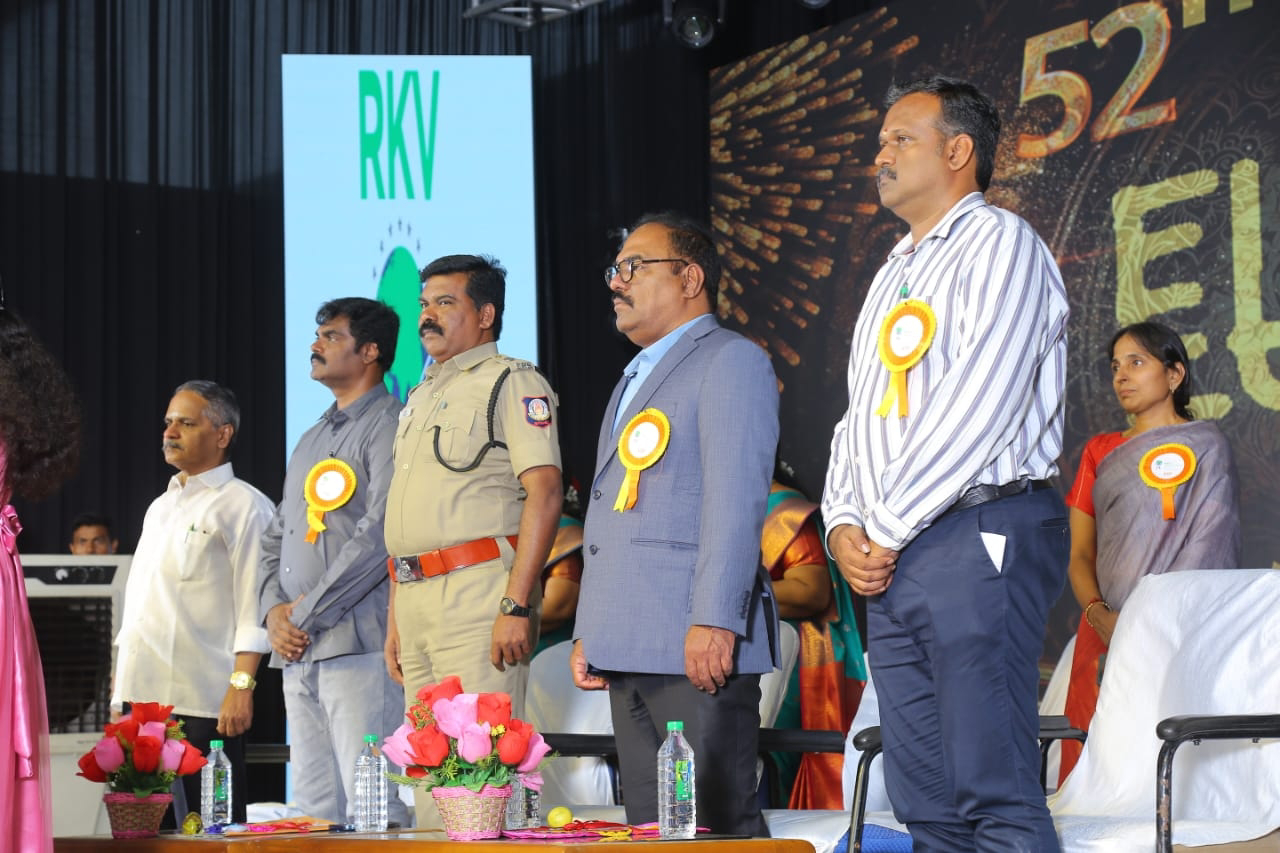
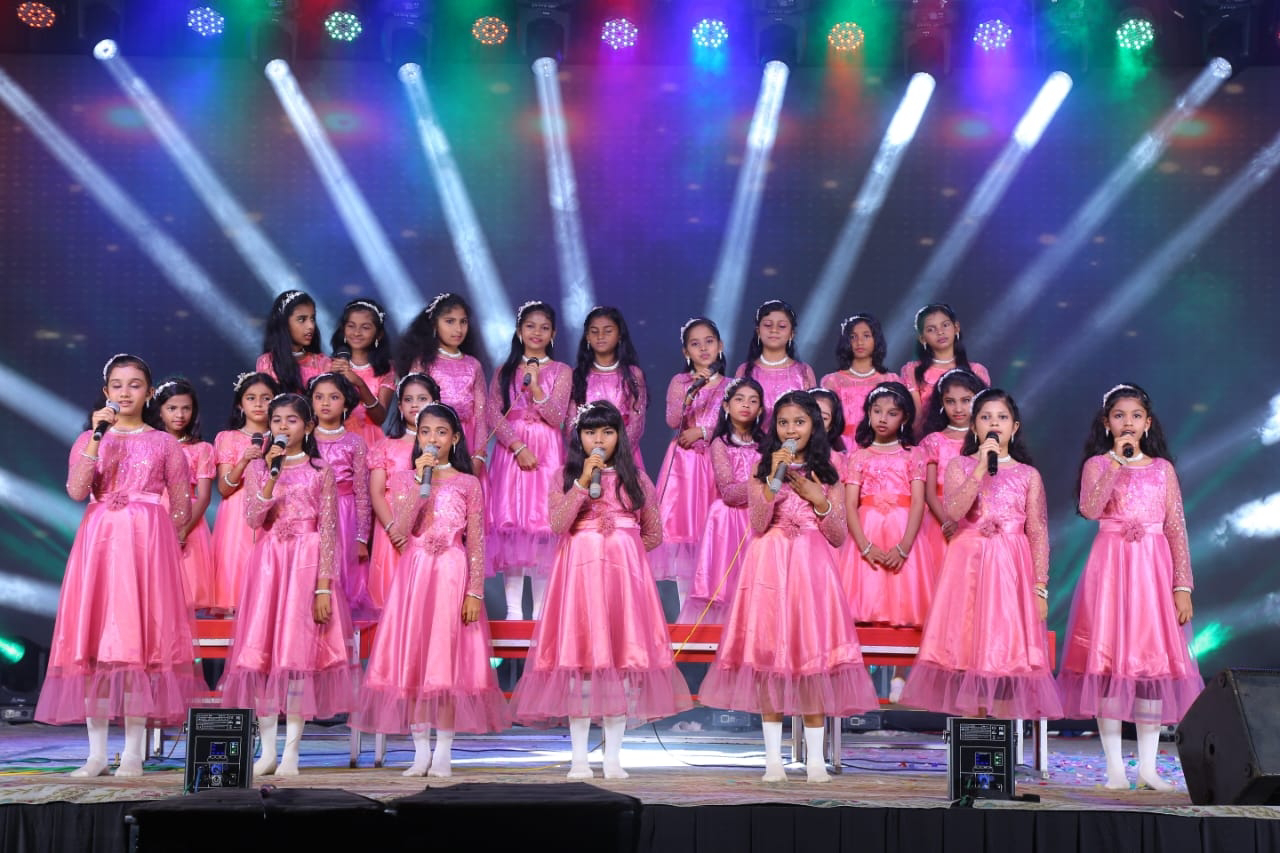
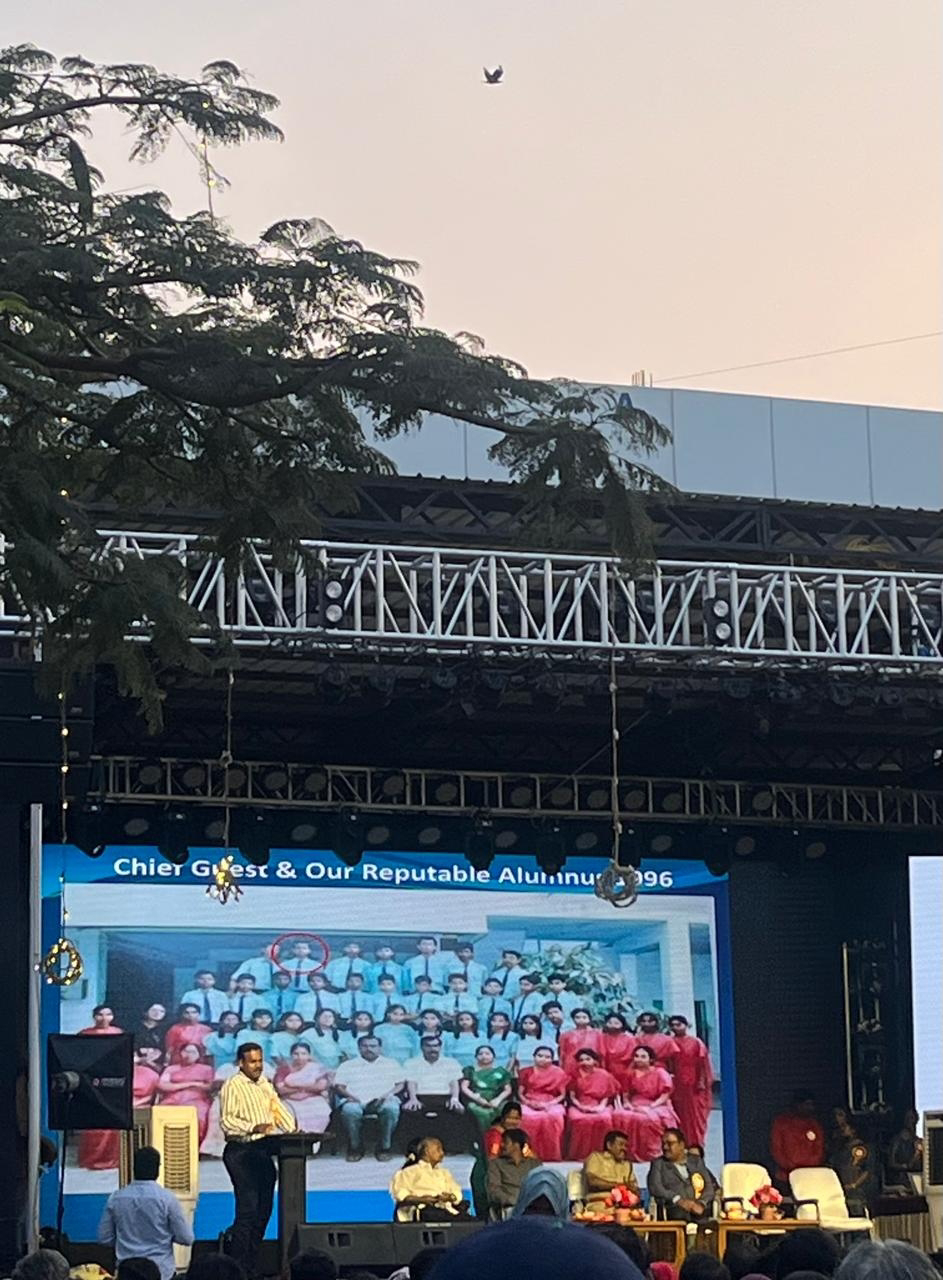
RKV - 52nd Annual Euphoria Feast 2024


Youngman who silenced Albert Einstein


This is the face of the young man that silenced Albert Einstein and made him scratch his head contemplatively in front of a large audience.

This lanky young man with a bony face and a corn-silk hairstyle forced the famous Albert Einstein to have a second thought, and a minute later, he retracted an equation he had just finished presenting at a conference.

The year was 1930, and the event was a German Physical Society conference held in Leipzig. After the president of the association profoundly praised Einstein for his great speech to the thunderous applause, he asked if anyone in the audience had any questions. For a little while, silence seared across the hall. Who would dare to question Einstein, one of the world's most respected physicists?

A juvenile-like voice erupted from the last row of the room in a broken German language, spitting words that held the audience spellbound:

"What Professor Einstein said is not stupid, but the second equation he wrote does not follow from the first. In fact, it requires further assumptions that have not been made and, what is worse, it does not satisfy a criterion of invariance, as it should instead be". 

He echoed fearlessly.
All heads turned reflexively towards this bold, defiant voice that submerged everyone in disbelief, unable to contain their irrepressible astonishment in the engulfing noiselessness.

As they struggled to breathe under this bizarre sea of bafflement, wondering who that might be, Einstein was deeply lost in scrutinizing his said erroneous equation on the blackboard, almost transfixed by the new revelation, except for his hand, which was mechanically scratching his mustache.

After what appeared to be 60 seconds or so, Einstein turned around, admitting his mistake, and then said:

"The observation of that young man over there is perfectly correct. I therefore ask you to forget everything I have said to you today."

On that day, at that precise moment, destiny plucked that fearless young man of 22 years from obscurity and made him the leading theoretical physicist of the Soviet Union, arguably one of the greatest geniuses of all time to ever illuminate the rocky planet of Earth. That, that was Lev Davidovich Landau for you, ladies and gentlemen.

Similarly, on that day, Albert Einstein demonstrated the kind of unadulterated humility that genuine knowledge bestows on any vessel of flesh that houses it. True education humbles, not the other way around. 

Be humble.

Source: “The ABC's of Science” by Giuseppe Mussardo, 2020, Springer.

Wednesday, September 18, 2024

An Empty Boat


Here is an excerpt quoted from the parable of The Empty Boat by Chuang Tzu:

If a man is crossing a river and an empty boat collides with his own skiff, Even though he be a bad-tempered man He will not become very angry.

But if he sees a man in the boat,

He will shout at him to steer clear. 

If the shout is not heard...

he will shout again... and

yet again... and begin cursing.

And all because there is somebody in the boat. 

Yet if the boat were empty. He would not be shouting, and not angry. 

If you can empty your own boat Crossing the river of the world, No one will oppose you, No one will seek to harm you.

“If you can empty your own boat… no one will seek to harm you.” 

It’s easier said than done.... Then again, it’s not impossible though.

Saturday, May 18, 2024

தலைசிறந்த அன்னை

இது ஒரு உண்மை சம்பவம் நடந்த இடம் (ஜார்கண்ட் )ஹிந்தி பதிவின் தமிழாக்கம்...

இதை நான் படிக்கும்போதே கண்ணீர் வழிந்தோடியது. தொடர்ந்து படியுங்கள். . .

ஓர் அனைத்துலகப் பள்ளியில், அனலையும் தூசியையும் பொருட்படுத்தாமல், பூங்காவிலுள்ள செடிகளுக்கு, நீர் ஊற்றிக்கொண்டிருந்தார் தோட்டக்காரர் ஒருவர்.

" கங்கா தாஸ், தலைமையாசிரியை உன்னை உடனே வரச்சொன்னார்" . . .
 
அந்த அலுவலகப் பையனின் அந்தக் கடைசி இரு சொற்களின் தொனி அழைப்பின் அவசரத்தைச் சுட்டிக் காட்டியது.

உடனே தன் கை கால்களை அலம்பிக்கொண்டு, .. அறையை நோக்கி விரைந்தார்.

அன்று என்னவோ பூந்தோட்டத்திலிருந்து அலுவலதத்திற்குச் செல்வது நெடுந்தூர நடையாய்த் தோன்றியது. அவரது இதயம், நெஞ்சாங் கூட்டிற்குள்ளிருந்து வெளியே வந்து விழுவது போன்ற ஓர் உணர்வு.

அவர் மனத்தில் பலவாறான எண்ணங்கள் அலைமோதின. ஏன், என்ன நடந்திருக்கும்? இத்துணை அவசரமாக எதற்குக் கூப்பிட்டிருப்பார் என்ற கேள்விக் கணைகள். . .

அவர் நேர்மையான தொழிலாளியாவார். எத்தருணத்திலும் தன் கடமையிலிருந்து தவறியதில்லை. . . 

அறைக் கதவைத் தட்டினார். . .

"என்ன கூப்பிட்டீங்களா மேடம்?"
"உள்ளே வா . . ." என்ற அந்த அதிகாரக் குரல் அவரது படபடப்பை மேலும் அதிகரித்தது. . .
பாதி நரை விழுந்த மயிர், சீராய் சீவி முடிச்சுப் போடப்பட்ட தலை, நேர்த்தியாய்ப் பின்னப்பட்ட சாரியைப் பாரம்பரியமான வழக்கில் அணிந்திருந்தார். அவர் அணிந்திருந்த மூக்குக் கண்ணாடி பேருக்கேற்ப அவர் மூக்கின்மேல் அமர்ந்துகொண்டிருந்தது.

மேசை மேலிருந்த தாளைச் சுட்டிக்காட்டி, "இதைப் படி". . . என்றார்.

"ஆனால், மெ..மெ மேடம் எனக்குப் படிப்பறிவு இல்லிங்க மேடம்.
எனக்கு இங்கிலிஷ் கூட படிக்க வராது."
மேடம் நான் தவறேதும் செய்திருந்தால் என்னை மன்னித்துவிடுங்கள். . .எனக்கு இன்னொரு வாய்ப்பு கொடுங்கள். . .

என் மகள் இந்தப் பள்ளியில் இலவசமாகப் படிக்க வாய்ப்பு தந்தீங்க. அதற்காக நான் உங்களுக்கு என்றென்றும் கடமைப்பட்டவனாவேன். . .என் மகளுக்கு இப்படியொரு வாய்ப்பினை நான் கனவில்கூட காண முடியாது."
இப்படிக் கூறிக்கொண்டே அவர் தேம்பினார். நடுக்கமும் அவரை ஆட்கொண்டது.

" போதும் நிறுத்து. நீ ரொம்பதான் கற்பனை செய்கிறாய். நான் ஆசிரியர் ஒருவரைக் கூப்பிடுகிறேன். அவர் இதை உனக்கு, வாசித்து மொழிப்பெயர்த்துக் கூறுவார். . . இது உன் மகள் எழுதியது. இதை நீ தெரிந்துகொள்ள வேண்டும்."

விரைவிலேயே அங்கு வந்த ஆசிரியை ஒருவர் அதனை வாசித்து ஹிந்தியில் ஒவ்வொரு வரியாக மொழிப்பெயர்த்துக் கூறினார். 

"இன்று அன்னையர் தினம் தொடர்பாய் மாணவர்களைக் கட்டுரை எழுதச் சொன்னோம். இதுதான் அக்கட்டுரைகளில் ஒன்று.

"நான் பீஹாரிலுள்ள ஒரு கிராமத்தைத் சேர்ந்தவள். அந்தக் கிராமத்தில் மருத்துவ வசதியோ கல்வியோ இல்லை. அதைக் கனவில்கூட காண முடியாது.
பிரவசத்தின்போது பல பெண்கள் மரணித்துள்ளனர். என் தாயாரும் அவர்களுள் ஒருவர். என்னை அவர் கைகளில் ஏந்தும் பாக்கியத்தைக்கூடப் பெறவில்லை. என்னை முதன்மதலில் தன் கைகளில் ஏந்தியவர் என் அப்பாதான். . .சொல்லப்போனால் அவர் ஒருவர் மட்டும்தான்.
நான் ஒரு பெண்ணாகப் பிறந்து விட்டேன். பிறக்கும்போதே என் தாயாரை விழுங்கிவிட்டேன் என்று உறவினர் குறைபட்டுக்கொண்டனர். அதனால், எல்லோரும் கவலையடைந்தனர். உடனே மறுமணம் செய்துகொள்ளும்படி என் தந்தையை வற்புறுத்தினர். ஆனால், என் அப்பா அதை மறுத்துவிட்டார்.

என் தாத்தாவும் பாட்டியும் அவரைச் சம்மதிக்க வைக்க எல்லாவித யுத்திகளையும் கையாண்டனர். அறிவுப்பூர்வமான வாதங்களையும் முன் வைத்தனர்.

என் தாத்தா பாட்டிக்கு ஒரு பேரன் வேண்டுமாம். ஆகவே, அவரை மறுமணம் செய்துகொள்ள வேண்டுமென கட்டாயப்படுத்தினர். அப்படி அவர் இணங்காவிட்டால் அவரைத் தள்ளி வைத்துவிடுவதாகவும் அச்சுறுத்தினர்.

என் அப்பா சற்றும் தயங்காமல் நிலம், நல்ல வாழ்க்கை, சொகுசான வீடு, கால்நடைகள் மற்றும் அக்கிராமத்தில் கௌரவமான வாழ்க்கை வாழ அவருக்கு இருந்த அனைத்து சலுகைகளையும் துறந்தார்.

கையில் சல்லிக் காசுகூட இல்லாமல் - ஆனால் என்னை மட்டுமே கையில் ஏந்தியவாறு, இந்த மாநகரில் குடியேறினார். வாழ்க்கை மிகவும் சிரமமானதாகவே இருந்தது. அப்பா இரவும் பகலும் கடுமையாக உழைத்து என்னைக் கண்ணும் கருத்துமாய்ப் பேணி வளர்த்தார்.

நான் விரும்பிச் சாப்பிட்ட உணவுப் பண்டங்களைத் திடீரென தனக்குப் பிடிக்கவில்லை என்று சொல்வார். அதன் காரணம் எனக்கு அப்பொழுது புரியவில்லை . . . தட்டில் இருக்கும் அந்த ஒரு துண்டை நான் சாப்பிட வேண்டும் என்பதற்காகவே அவர் அவ்வாறு நடந்துள்ளார் என்பதை நான் பெரியவளாக வளர்ந்த பிறகுதான் தெரிந்துகொண்டேன்.

அவர் சக்திக்கு மீறிய ஒரு வசதியை எனக்கு ஏற்படுத்திக் கொடுத்தார்.

இப்பள்ளி அவருக்குப் புகலிடமளித்து சிறப்பு செய்துள்ளது. இப்பள்ளி இன்னொரு மாபெரும் பரிசையும் தந்துள்ளது. ஆம், நான் இப்பள்ளியிலேயே சேர்ந்து பயில வழங்கியுள்ள வாய்ப்புதான் அது.

அம்மா என்றால் அன்பும் அரவணைப்பும் எனின், என் அப்பா அதற்குப் பொருத்தமானவர். . .
அம்மா என்பவர் இரக்கமிக்கவர் எனின், என் அப்பா அதற்கும் பொருத்தமானவரே. . .
அம்மா என்பவர் தியாகி எனின், நிச்சயமாக என் அப்பா அதையும் ஆக்ரமிக்கின்றார். . .

சுருங்கக்கூறின், தாய் ஒருவரின் வடிவம் அன்பு, பராமரிப்பு, தியாகம், இரக்கம் எனின்

*என் அப்பாதான் இவ்வுலகிலேயே மிகச் சிறந்த தாய்* 

அன்னையர் தினத்தில் இம்மண்ணில் மிகச் சிறந்த பெற்றோராக இருக்கும் என் அப்பாவுக்கு வாழ்த்துத் தெரிவிக்க விரும்புகிறேன். . .
இப்பள்ளியில் கடின உழைப்பாளியாகத் திகழும் தோட்டக்காரருக்கு என் வணக்கத்தைத் தெரிவித்து அவர்தான் என் அப்பா என்பதைப் பெருமையோடு அறிவிக்க விரும்புகிறேன்.

இதை வாசிக்கும் என் ஆசிரியை எனக்கு நல்ல புள்ளிகள் தரமாட்டார் என்பது எனக்குத் தெரியும். ஆயினும் தன்னலமற்ற அப்பாவுக்கு ஒருவர் வழங்கும் ஒரு சிறிய அன்பளிப்பாக இக்கட்டுரை இருக்குமென நம்புகிறேன்.

அந்த அறை நிசப்தமானது. . .
கங்கா தாஸ் தேம்பி அழுவது மட்டுமே கேட்டது. . .  
கடும் வெயில்கூட அவரின் ஆடையை வியர்வையால் ஈரப்படுத்தாது இருந்திருக்கலாம். ஆனால், தன் மகளின் சொற்கள் அவர் உள்ளத்தையே ஈரப்படுத்தியது. . .
அவர் கைகட்டி, வாயடைத்து அங்கு நின்றுகொண்டிருந்தார். . .

ஆசிரியையிடமிருந்து அந்தத் தாளை வாங்கி தன் நெஞ்சின்மேல் வைத்து கண்கலங்கினார். . .

தலைமையாசிரியைத் தன் இருக்கையிலிருந்து எழுந்தார். . . கங்கா தாஸை அமரச்சொன்னார். அவர் பருக ஒரு கோப்பை நீர் வழங்கி அவரிடம் ஏதோ சொன்னார். அவர் குரலில் ஒரு கனிவு வெளிப்பட்டது.

கங்கா தாஸ் உன் மகளின் இக்கட்டுரைக்காக 10/10 புள்ளிகள் வழங்கியுள்ளோம். இப்பள்ளி வரலாற்றிலேயே அன்னையர் தினம் தொடர்பில் எழுதப்பட்ட மிகச்சிறந்த கட்டுரை இதுதான். நாளைக்கு இப்பள்ளியின் *அன்னையர் தின விழா* வெகுவிமர்சையாகக் கொண்டாடப்படவிருக்கிறது. இப்பள்ளியின் ஒட்டுமொத்த நிர்வாகஸ்தரும் உன்னையே சிறப்பு விருந்தினராக அழைக்க முடிவுசெய்துள்ளனர்.
பிள்ளையை வளர்த்தெடுப்பதில் ஆண் ஒருவன் காட்டும் அன்பு, அர்ப்பணிப்பினை கௌரவிக்கவும் ஒரு சிறந்த பெற்றோராகத் திகழ பெண் ஒருவரால் மட்டுமே முடியும் என்பதல்ல என்ற உண்மையை உலகறியச் செய்யவும் நாங்கள் இம்முடிவைச் செய்துள்ளோம்.

அதற்கும் மேலாக, உன் மகள் உன் மீது கொண்டுள்ள உறுதியான நம்பிக்கையை மறு உறுதிப்படுத்துவதுடன் போற்றி அங்கீகரிக்கவும் உன் மகளுக்குப் பெருமை சேர்க்கவும் உன் மகள் தன் கட்டுரையில் குறிப்பிட்டுள்ளது போல், இவ்வுலகிலேயே தலைசிறந்த பெற்றோரை இப்பள்ளி பெற்றிருப்பதற்காக இப்பள்ளியிலுள்ள அனைவரும் பெருமைகொள்ளவும் இம்முடிவைச் செய்துள்ளோம். . . .

"நீ பூங்காவை மட்டும் பராமரிக்கவில்லை. மாறாக உன் வாழ்வின் விலை உயர்ந்த மலரை அழகிய முறையில் பேணி வளர்த்துள்ளாய். நீதான் உண்மையான தோட்டக்காரன்."

" கங்கா தாஸ், அந்த நிகழ்ச்சிக்கு நீ சிறப்பு விருந்தினராக அழைத்து மரியாதை செய்தார்...

தமிழாக்கம்: Raj Sathish 

ஹிந்தி பதிவு :அபிஷேக்.

Wednesday, April 24, 2024

Thondaimandala Mudalmai Vellalar

The Thondaimandala Saiva Mudaliar, also known as the Kondaikatti Vellalar, are a Tamil caste in south India who were historically non-cultivating landholders and administrators under various dynasties. They are a subcaste of the Vellalar caste in Tamil Nadu, India, and trace their lineage to Sekkizhar[1] the author of the Periyapuranam [2].
 
The Thondaimandala Saiva Mudaliar's original homeland was Thondaimandalam, [3] which includes the present-day areas of Chennai, Chengalpet, Kanchipuram, and Vellore. They spread to other areas in south India and northeastern parts of Sri Lanka. A significant population of Thondaimandala Saiva Vellala Mudaliars have also migrated to other areas such as Madurai and Tirunelveli. 
 
The Thondaimandala Saiva Mudaliar are a closely knit community who follow a vegetarian diet. They are progressive and prosperous in society and are remarkably advanced in the matter of education. 
 
The title Mudaliar is derived from the honorary title Mudali, which means a person of first rank in the Tamil language. In medieval south India, it was bestowed upon top-ranking bureaucratic officials, philanthropists, educationists, physicians, politicians, and army officers. 

The Thondaimandala Mudaliar or Thondaimandala Saiva Vellalar are a high ranking caste in the state of Tamil Nadu, India. They are the original homogeneous group of Mudaliars who were settled in Thondaimandalam or Thondai Nadu in South India by Chola King, Karikala Chola.

References:


Tuesday, April 23, 2024

The day you waste the most in your life is the day you don't laugh.

Charlie Chaplin once told a joke in front of an audience..!!

Everyone laughed.

And he told it a second time, so only a few laughed.

When he told it for the third time, no one laughed.

Then he said beautiful words.

If you can't laugh and laugh at the same joke, why do you cry and cry at the same pain and sorrow?

So enjoy every moment of your life - 

Charlie Chaplin left a great legacy without saying a word or hurting anyone's feelings.

We remember these phrases that touch the heart.

Nothing in this life is permanent, not even our Problems.
 
I love walking in the rain so no one can see my tears.

The day you waste the most in your life is the day you don't laugh.

- Charlie Chaplin

Tuesday, March 26, 2024

He's not heavy. He's my brother...


The standing boy of Nagasaki [1] is a historic photograph taken in Nagasaki, Japan, in 1945, shortly after the atomic bombing of that city on 9th August 1945. The photograph is of a boy of about 10 with his dead baby brother strapped to his back, waiting for his turn at the crematorium. 

A soldier noticed him and asked him to keep this dead child down so that he would not get tired. He replied: He's not heavy, he's my brother! The soldier understood. Since then, this image has become a symbol of unity in Japan. Let this be our motto: 
 
"He's not heavy. He's my brother... She's my sister." 
 
If he falls, raise him. Even if you get tired, help him. And if his support is weak, and if he makes a mistake, forgive him because he is not heavy he is your brother... And if the world abandons him, carry him on your back. Friendship and family means carrying each other through; no matter whatever happens.


The photograph was taken by Joe O'Donnell [2], then working for the United States Marine Corps. Joe O'Donnell made personal copies of his Nagasaki photographs and kept them hidden in a trunk until 1989, when he put together a traveling exhibit and a book. O'Donnell's Japan 1945, Images From the Trunk was published in Japan in 1995 and read widely.

Joe O'Donnel in his book writes as below, 

I saw a boy about ten years old walking by. He was carrying a baby on his back. In those days in Japan, we often saw children playing with their little brothers or sisters on their backs, but this boy was clearly different. I could see that he had come to this place for a serious reason. He was wearing no shoes. His face was hard. The little head was tipped back as if the baby were fast asleep. The boy stood there for five or ten minutes.

The men in white masks walked over to him and quietly began to take off the rope that was holding the baby. That is when I saw that the baby was already dead. The men held the body by the hands and feet and placed it on the fire. The boy stood there straight without moving, watching the flames. He was biting his lower lip so hard that it shone with blood. The flame burned low like the sun going down. The boy turned around and walked silently away.
 
Reference
 

Sunday, March 17, 2024

Secret of Right Activity - Swami Paramananda


It is not the strong physical vehicle which makes the productive human being; it is skillfulness in action, knowing how to adjust ourselves quickly, how to perform a task with the least expenditure of energy. This is what gives immediate success.

The whole purpose of religion and philosophy is to give us that which is inspiring, elevating and constructive.

A man who does nothing, his mind and his physical vehicle quickly deteriorate. He becomes dead although carrying on an existence.

One who is so convinced of his own principles that he is indifferent to what others say, and who is willing to give himself to his task, that man will accomplish his purpose.

There are moments when we forget our environment, forget everything but the one thing that we are doing, and those are the supreme moments of our life. They make it possible for us to attain success.

Action and reaction are constantly taking place in this world. No one can escape them. We may declare that we are going to have in our life only happiness and beauty, that we will have riches and not poverty. But the pairs of opposites are always playing back and forth. We cannot have happiness without unhappiness. We cannot have light without darkness. What is the remedy? It is given in the Gita: "To work alone thou hast the right, but never to the fruits thereof."

By doing small tasks whole-heartedly, with concentration and skillfulness, we evolve within ourselves a power which will enable us later on to perform some great task which now seems like a mountain, inaccessible and unobtainable.

Non-killing, not merely refraining from partaking of animal food, but never harming another by a hateful thought. It is actually practicing non-injury in thought, word and deed.

We are placed here by a divine hand. To disconnect ourselves from that, to feel and think that we are isolated and unprotected, existing merely for our own self-gratification, is the greatest tragedy that can befall us.

We know that there is within us a pent-up energy which is constantly finding its outlet through thought, words and actions. We can use this energy for our best happiness and up-liftment; or we can misuse it and cause our own ruin. It can manifest itself in the form of anger or hatred, which will bring disastrous results; also it can manifest itself in the form of goodness, unselfish love, charity and service. It is the same energy expressing itself in different ways according to our tendency.

If you are helping a person, do not expect that person to be grateful to you. Do not always trade in your love.

Always try to be in Christ-like state, "Not my will, but Thine".

As long as we are unselfish, so long we are the gainers; but whenever we bring the thought of self, we suffer, because we demand. We demand from the person we love; and if we do not get what we demand, we naturally suffer from reaction.

We must learn to live in the world, as Lord Krishna teaches in the Bhagavad Gita, like a lotus leaf, which grows in water but is never wet by the water.

Perform all work for the purification of your soul; not with the idea of earning a wage, but with some really noble motive.

"He who worketh for Me alone, hath Me for his highest goal, who is devoted to Me, who is freed from attachment, and beareth enmity towards no creature, such a person attaineth unto Me." - Bhagavad-Gita.

Sunday, March 3, 2024

The Grass is Blue


A donkey told the tiger, "The grass is blue."

The tiger replied, "No, the grass is green."

The discussion became heated, and the two decided to submit the issue to arbitration, so they approached the lion.

As they approached the lion on his throne, the donkey started screaming: ′Your Highness, isn't it true that the grass is blue?"

The lion replied: "If you believe it is true, the grass is blue."

The donkey rushed forward and continued: ′′The tiger disagrees with me, contradicts me, and annoys me. Please punish him."

The king then declared: ′′The tiger will be punished with 3 days of silence."

The donkey jumped with joy and went on his way, content and repeating ′′The grass is blue, the grass is blue..."

The tiger asked the lion, "Your Majesty, why have you punished me, after all, the grass is green?"

The lion replied ′You've known and seen the grass is green."

The tiger asked, "So why do you punish me?"

The lion replied, "That has nothing to do with the question of whether the grass is blue or green. The punishment is because it is degrading for a brave, intelligent creature like you to waste time arguing with an ass, and on top of that, you came and bothered me with that question just to validate something you already knew was true!"

The biggest waste of time is arguing with the fool and fanatic who doesn't care about truth or reality, but only the victory of his beliefs and illusions. 

Never waste time on discussions that make no sense. 

There are people who, for all the evidence presented to them, cannot understand. 

Others are blinded by ego, hatred, and resentment, and the only thing that they want is to be right even if they aren’t.

When IGNORANCE SCREAMS, intelligence moves on.

Wednesday, February 21, 2024

T.V.Ajay Babu Sir son's marriage

My self and Sri.N.R.Vijayasankar attended sri.T.V. Ajay Babu Sir's son  Chi.T.V.Krishnskanth's marriage with Sou.Shilpa at Srinivasa Kalyana Mandapam, Thiruchanuru road, Tirupathi on 18th Feb 2024.

We started from sullurpeta by 8:30am in my Car.  Driving to tirupathi via B.N.Kandriga took almost three hours due to the ongoing six lane express highway conversion work between Renigunta to Srikalahasti.

Servo systems division personal sri.sathish, Smt.Barathi and smt.Bhargavi also attended the marriage.

We were happy to see our retired GM RTS Sri.J.Gopalakrishna sir in the marriage.


We all had our lunch in the marriage and after wishing the couples we all went to JGK sir's house at near tiruchanuru road, Tirupathi and met madam and spent a good time with them.

My self and Sri.N.R.Vijayasankar later went to Parasurama swami temple at Gudimallam which is considered to the first ever built temple for Lord Siva.

While returning from Gudimallam Smt.Bhargavi joined us from yerpedu. We all reached sullurpeta by 7pm.